
Mental Health Is Part of The Game For Student Athletes
When we talk about health in sports, the focus is usually physical: strength, endurance, nutrition, recovery. Mental health often comes up later, if at all. However, recent reporting highlights how much that gap still matters for student-athletes, especially at the collegiate level.
Many athletic programs continue to fall short when it comes to mental health support. According to recent reporting, student-athletes often lack consistent access to licensed mental health professionals, and many coaches receive little to no formal training on how to recognize or respond to mental health concerns. As a result, athletes are left to manage stress, anxiety, and burnout largely on their own, even as expectations continue to rise.
That pressure adds up quickly. Student-athletes are balancing demanding practice schedules with coursework, travel, social responsibilities, and performance expectations from coaches and teammates. When mental health challenges show up, whether that looks like anxiety around performance, exhaustion from constant demands, or uncertainty about the future, many athletes don’t feel comfortable speaking up.
Some institutions are beginning to respond by introducing mental health screenings, educational programming, and clearer support pathways. This points to a larger issue: mental health support can’t be treated as something athletes access only when they’re already struggling. It needs to be part of the everyday structure of athletics, just like strength training or injury prevention.
Supporting student-athlete mental health means investing in trained professionals, giving coaches the tools to recognize warning signs, and creating environments where it doesn’t feel like “failing” to ask for help . Student-athletes are resilient, but resilience shouldn’t require silence. When mental health is taken seriously, athletes are better supported not just in their sport, but in their academic and personal lives as well.
OPINION: Colleges too often drop the ball on student-athlete mental health, and that’s a big mistake
Categories
Tags:
Share:
Keep Exploring
More stories, Brighter tomorrows
Recent research shows that emotional abuse is one of the most common forms of harm experienced by college athletes, yet it remains largely unaddressed in formal policies. While athletic organizations
https://www.mcleanhospital.org/essential/athlete-mhhttps://www.mcleanhospital.org/essential/athlete-mh Long article on mental health and how to deal with challenges in sports. Key takeaways for me would be the identity shift after sports. Something I found tough to
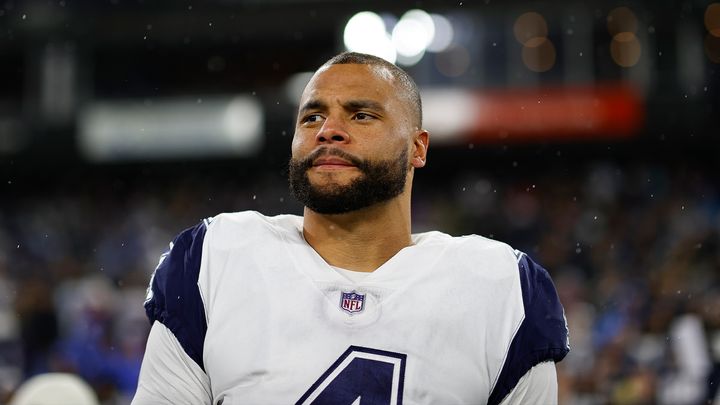
As an athlete finding ways or even time to do with mental health let alone physical is challenging. Here’s a list of NFL guys who share their experiences dealing with